Table Of Content
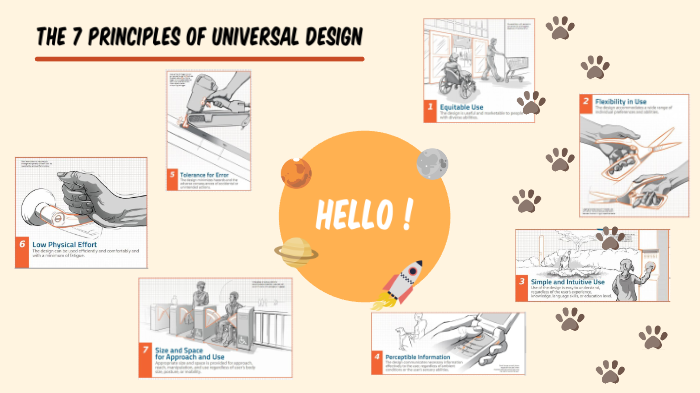
When you provide flexibility and high discoverability, you empower your users. They’ll be able to personalize their experiences based on their unique needs. These seven principles may be applied to evaluate existing designs, guide the design process, and educate both designers and consumers about the characteristics of more usable products and environments. Although UD has its roots in the design field of architecture and commercial products and information technology (IT), applications in education are growing in number. UD can provide a philosophical framework for the design of all products and environments at all education levels—including technology, teaching and learning activities, academic spaces, student services and professional meetings.
What are principles and guidelines relevant to UDE?
Western profs use Universal Design for Learning principles to make classes more accessible - The Gazette • Western University's Newspaper
Western profs use Universal Design for Learning principles to make classes more accessible.
Posted: Tue, 05 Mar 2024 08:00:00 GMT [source]
Edward Steinfeld, director of the Idea Center at the University of Buffalo, will be leading this initiative. Invest in universal design to transform the way your agency serves citizens, regardless of ability, and create tools and products that are easier for everyone to use. It’s about developing solutions to meet the needs of all users, with and without disabilities. Universal design, a concept now widely used in the private sector, provides a path for federal agencies to shift to this broader focus.
Size and Space in Both Approach and Usage
Unlocking Inclusivity: The power of universal design - Parametric Architecture
Unlocking Inclusivity: The power of universal design.
Posted: Sat, 24 Feb 2024 08:00:00 GMT [source]
The Center for Applied Special Technology (CAST) created a set of three principles with roots in cognitive neuroscience to underpin practices and curriculum for teaching and learning. Three sets of principles provide guidance for applying universal design regardless of the scope. The design communicates necessary information effectively to the user, regardless of ambient conditions or the user's sensory abilities. In his quest for a more inclusive world, Ronald explored the concept of accessible design, where environments are open for everyone to access, regardless of their abilities. The design can be used efficiently, comfortably, and with a minimum of fatigue. For example, an automatic door opener can facilitate access to an office space or classroom.
PRINCIPLE SEVEN: Size and Space for Approach and Use
He has written a few articles for DAPC Uniben and he is adventuring to become a popular writer.
UI Designer Portfolio Examples
This means the design should be adaptable and accommodate flexibility for the user. In a digital context, this involves designing interfaces that can be used in multiple ways, aligning with user preferences. This could include allowing the customization of text size, color contrast, or the ability to navigate via keyboard or mouse. The Center’s mission was to improve the built environment and related products for all users by impacting change in policies and procedures through research, information, training, and design assistance. In 1997, a committee of 10, under Mace’s leadership, wrote the seven principles of universal design. In June 2007, the original committee will be joining others to gather public feedback.
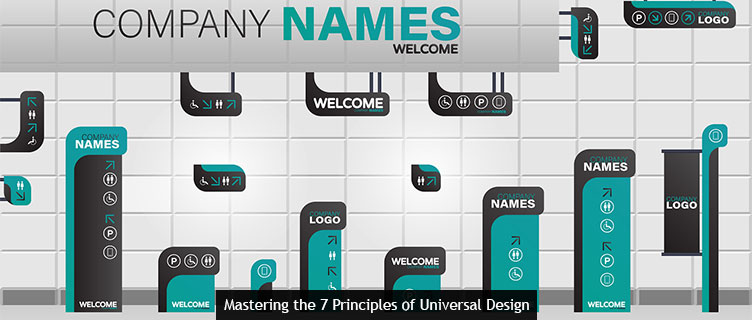
Uber’s ultra-easy Ride section offers users the quick convenience of pickup location and destination. Software includes on-screen control buttons that are large enough for students with limited fine motor skills to select. Governs the storage of data necessary for maintaining website security, user authentication, and fraud prevention mechanisms.
These can include features such as adjustable font sizes, customizable color themes, and multiple navigation options. This is where those UX design principles and design patterns come in. So, create handy features, nice-to-haves, and redundant ways of achieving goals. Make sure you do it effectively to the users, though, so that these are obvious.
A Guide to UX Design in Berlin
All people have an intersecting identity made up of a variety of these unique facets. It can be easy to forget that users don’t come in a standard format when designing products. We’re getting better at catering for different personas or demographics but the industry still lags a long way behind design that is accessible to as many disabled people as possible. Low physical effort is the sixth universal design principle, and it states that a design ought to be used comfortably and efficiently with a minimum level of fatigue. This means the design principle seeks to keep users in their body neutral position while minimizing repetitive actions and constant physical effort. Universal Design is a design approach aimed at creating products and environments accessible and usable for all people, regardless of their abilities or circumstances.
Thus, you should incorporate them into any project you do from the very beginning. For product designers, their focus is on form factors such as the size of and space involved with the product. As digital designers, our focus is less on form factors but more on what is on the screen. This is a shortsighted mindset because it is important to think outside of the screen and consider our users’ environment as well, especially as users view websites not only on desktops but also—increasingly—on mobile devices as well.
Consider factors such as age, ability, gender, race, ethnicity, and language preferences. You should be able to empathize with different user perspectives and design accordingly with them. Ron Mace, who coined the term “universal design,” advocated for the design of environments that all individuals can access, regardless of their abilities.

That way, you can gather valuable feedback and identify potential usability issues. For example, does your design communicate necessary information effectively? Do users who find your design difficult share common characteristics?



No comments:
Post a Comment